CE Certified
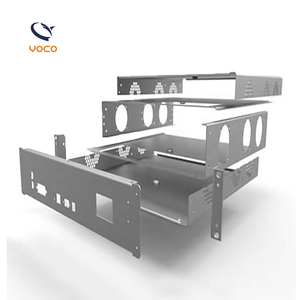
Factory-direct structural racking solutions fabricated from certified high-tensile carbon steel (Q355B / S355JR), configured for deep-lane pallet flow, automated buffer zones, and heavy industrial tooling.
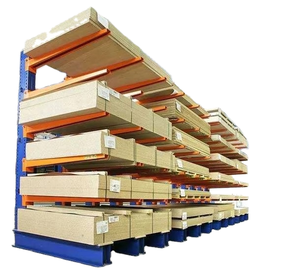
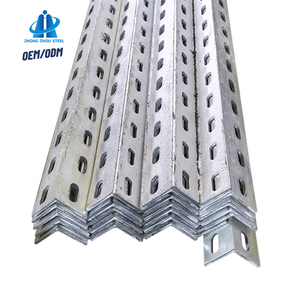
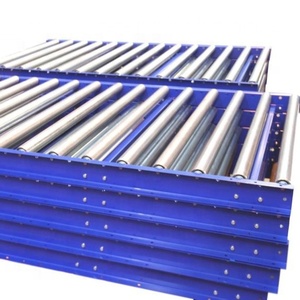
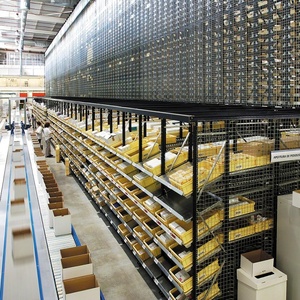
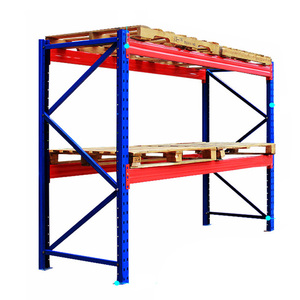
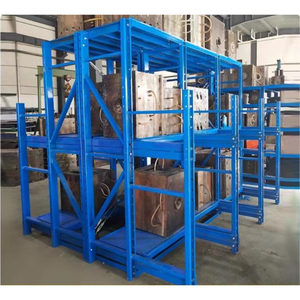
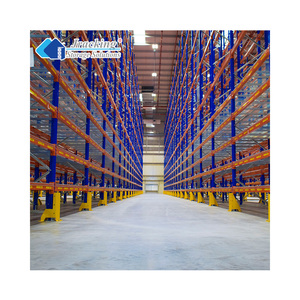
Pallet flow racking (live pallet racking) operates on inclined roller lanes (typically 3% to 4% gradient) to utilize natural gravitational force. Understanding the structural mechanical principles prevents operational bottlenecks and guarantees equipment longevity.
Uncontrolled acceleration in deep gravity lanes creates dangerous kinetic energy impacts. Our systems feature centrifugal speed-damping brake rollers positioned every 1 to 2 pallet intervals.
These non-electric mechanical dampeners dynamically regulate pallet velocity to a controlled 0.1 to 0.3 m/s, safeguarding fragile cargo and ensuring strict compliance with European machinery directive 2006/42/EC.
Line pressure from accumulating rear pallets can wedge the first unit tight against the extraction stops, inducing forklift mast overstrain.
We engineer automatic mechanical load separators at the pick face. When an operator raises the leading pallet, the separator blocks trailing pallets, relieving all hydrostatic pressure and protecting picking operators from crushing hazards.
Dynamic fluid inventory generates complex lateral loads during earthquake excitation. Unlike static racks, moving pallets continuously shift seismic center-of-mass equations.
Utilizing high-ductility Q355B micro-alloyed steel and finite element analysis (FEA), our structural frames absorb cyclic ground accelerations according to Eurocode EN 16681 seismic standards.
Intralogistics procurement is transitioning from isolated steel purchase specs to integrated lifecycle performance contracts. Sourcing directors must anticipate four macro industry shifts.
Automated Guided Vehicles (AGVs) and Autonomous Mobile Robots (AMRs) are replacing conventional forklifts at the loading face. Modern pallet flow procurement specifications now mandate optical centering sensors, lower-profile roller entries, and mechanical guide tracks calibrated for automated robotic pallet drops.
Supply chain ESG mandates are penalizing energy-intensive automated storage systems. Gravity-fed pallet flow requires zero kilowatt-hours of electrical power to cycle pallets down 30-meter lanes. Buyers are leveraging gravity live racks over powered shuttles to drastically shrink warehouse Scope 2 carbon footprints.
With pharmaceutical cold chains and frozen food distribution expanding globally, procurement officers demand pallet flow rollers fitted with low-temperature synthetic lubricants capable of uninterrupted operation at -30°C without roller seizure or grease oxidation.
Forward-thinking distribution hubs now integrate wireless acceleration telemetry and impact gauges directly on lower upright guards and end-stop buffers. These IoT nodes monitor forklift shock forces, verify continuous brake roller RPM limits, and signal early component fatigue into centralized Warehouse Management Systems (WMS) before catastrophic steel structural failure can occur.
With over 60 years of intralogistics mastery, 12 specialized production centers, and commercial operations reaching across more than 70 countries, we provide full end-to-end control from certified raw coil slit to turnkey installation.
Every dynamic flow rack bay is custom calculated by structural engineers taking into account concrete slab flexure, localized seismic codes, pallet deflection parameters, and operational duty cycles.
Continuous robotic continuous-roll forming, automated electrostatic powder coating lines, and hot-dip galvanizing baths ensure complete metallurgical consistency across massive logistics projects.
From pre-feasibility warehouse flow simulations to on-site assembly, load certification signage, and regular EN 15635 annual racking safety inspections, our global teams support your systems long after handover.
Critical structural, mechanical, and logistical questions evaluated by our technical project managers to assist procurement, plant engineering, and EHS committees.
Standard installations utilize an incline between 3.5% and 4.0% (approximately 2°). Hardwood pallets with smooth bottom skids roll efficiently at 3.5%, while plastic or perimeter-base Euro pallets with moderate bottom deflection often require a calibrated 4% slope to ensure reliable gravity restart after resting.
Pallet quality is the most crucial operational parameter. Protruding nails, splintered runner boards, or dynamic bottom deck deflection exceeding 1:200 can cause pallets to bridge or skew inside the tracks. We offer custom wheel track channels and dual-roller configurations to handle defective or plastic pallets reliably.
Lanes can span from 2 pallets deep up to 30 pallets deep (approaching 35 meters). When lane depths exceed 5 pallets, incorporating calibrated centrifugal brake rollers and automated pallet separation mechanisms is mandatory to prevent crushing pressures on the extraction stop.
CE marking on structural steel racking complies with EN 1090-1 (Execution of steel structures) and EN 15512 (Cold-formed structural steel storage systems). Certified manufacturers must supply Factory Production Control (FPC) documentation, Declaration of Performance (DoP), structural load tables, and mill test certificates.
Yes. Live pallet flow lanes are configured as single high-capacity FIFO locations within a Warehouse Management System (WMS). Pallets checked in at the replenishment aisle automatically advance to the front, maintaining lot integrity and batch traceability without scanning intermediate positions.
Thanks to sealed pre-lubricated ball bearings, mechanical roller maintenance is minimal. Annual inspections verify roller freedom of rotation, inspect centrifugal brake spring action, check entry guide alignment, and ensure mechanical separator trip bars are free from debris or pallet splinters.