Blog
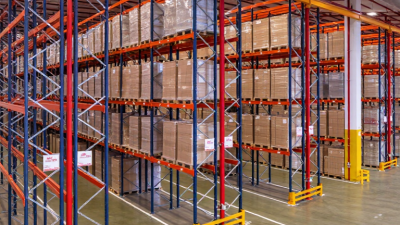
How to Choose Heavy Duty Selective Pallet Racking
Choosing Heavy Duty Selective Pallet Racking begins with the warehouse, not the catalog. Measure clear height, aisle width, floor condition, and emergency access. Record the heaviest pallet, its dimensions, and its load center. A 2,000-kilogram pallet needs more than a strong-looking beam. It needs a verified frame, compatible beams, and a stable floor connection.
James A. Tompkins, a respected warehousing authority, once said, “The warehouse is not a storage facility; it is a flow-through facility.” That idea matters here. Heavy Duty Selective Pallet Racking should support smooth forklift movement, clear product identification, and sensible stock rotation. Consider adjustable beam levels when pallet sizes change frequently. Check upright profiles, beam capacities, safety pins, row spacers, and column guards. Small details prevent expensive interruptions.
Do not choose the highest rack automatically. A taller structure may reduce floor usage, yet it can increase installation complexity and forklift requirements. That trade-off deserves honest review. I have seen layouts look efficient on paper but fail when turning space becomes tight. Product weight, pallet quality, seismic conditions, and future expansion also influence the decision. Ask for engineering calculations, load plaques, inspection procedures, and installation records. Reliable suppliers explain limitations instead of promising unlimited capacity. The best system is not merely heavy duty. It is properly matched, clearly documented, and practical for daily work. Sometimes, the safest choice is less ambitious.
Read more »
 By:Charlotte
- November 2, 2026
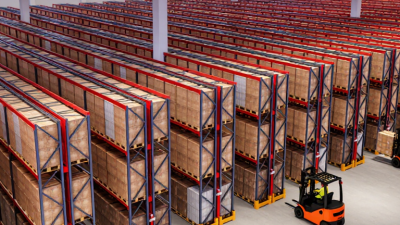
How to Choose Heavy Duty Drive In Racking?
Choosing Heavy Duty Drive In Racking is not simply a matter of selecting the tallest frame or the lowest price. The right system depends on pallet dimensions, load weights, forklift access, available floor space, and how often stock moves. Drive-in layouts can increase storage density by allowing forklifts to enter dedicated lanes. That density comes with trade-offs. Forklift clearance, pallet consistency, and loading practices all affect how reliably the system works.
Start with real operating details. Measure the building’s clear height, aisle widths, column positions, and floor condition. Record the heaviest pallet load, including its contents, and check whether pallet sizes vary between suppliers. These details help determine lane depth, entry clearances, and the required rack capacity. They also reveal whether a drive-in arrangement suits the inventory’s rotation pattern. Slow-moving, similar products often fit the system better than mixed goods that need frequent individual access.
Safety matters every day. Inspectors and qualified rack professionals should review the proposed design, installation, floor capacity, and protection for vulnerable uprights. Ask suppliers for load information and clear documentation, rather than relying on a catalogue image. Small details matter. A slightly uneven floor or a poorly aligned pallet can create problems inside a deep lane. The best choice is not always the densest one. Compare storage gains with access time, stock rotation, and forklift movement, then confirm the design against your actual site conditions. Some assumptions may change after a site survey, and that is worth acknowledging before purchase.
Read more »
 By:Oliver
- November 2, 2026
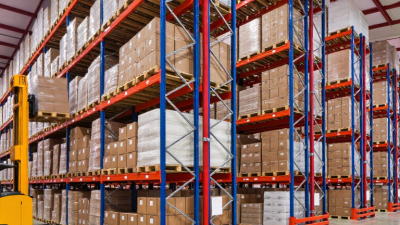
China Top Heavy Duty Double Deep Pallet Racking Suppliers?
Choosing a reliable supplier for Heavy Duty Double Deep Pallet Racking takes more than comparing prices. This storage system places pallets two positions deep, helping warehouses use floor space more efficiently. It can also make some pallets less accessible. That trade-off matters.
For buyers in China, supplier selection should begin with practical questions. What pallet dimensions and loads must the racks support? Which forklifts will serve the aisles? How will the layout handle daily picking patterns and future changes? A qualified supplier should explain its design assumptions, provide clear load information, and discuss installation and inspection support. Ask for drawings that show beam levels, aisle widths, and safety features. Small details count. A rack that looks suitable in a brochure may not fit a real operating routine.
This guide explores what to assess when comparing China-based suppliers, including manufacturing experience, customization, quality documentation, communication, and after-sales service. It also considers how to check whether a proposed system suits your warehouse, rather than simply accepting the densest layout. No supplier is automatically the right choice. Evidence matters, and so does asking uncomfortable questions about lead times, replacement parts, and project limitations. A careful comparison may take longer. That is not always a bad thing.
Read more »
By:Oliver
- November 2, 2026