High-Performance Storage Modules & Engineered Pallet Systems
Direct manufacturer supply for standard wide aisle layouts, automated shuttle configurations, high-density gravity flows, and industrial cold-rolled load carriers calculated to EN 15512 and RMI standards.
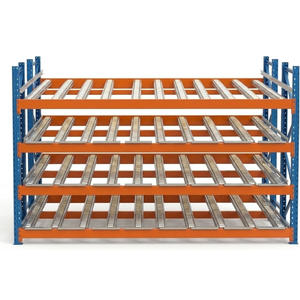
Heavy Duty Flow Rack Gravity Flow Q235 Steel OEM Rack
Dynamic FIFO roller tracks designed for rapid unit rotation. Rated for 1000–2000kg per pallet with integrated centrifugal brake drums.
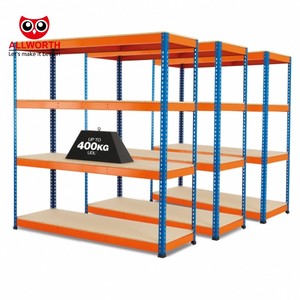
Heavy Duty Efficiency Flexibility Large Load Metal Rack
Universal wide aisle selective layout supporting unhindered 100% pallet accessibility for multi-SKU FMCG and heavy machinery distribution.
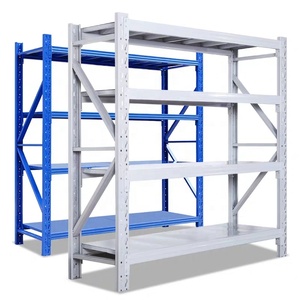
Mracking Adjustable Boltless Industrial Shelving Racks
Cold-formed boltless interlock shelving for carton picking, mezzanine floor integration, and high-frequency manual replenishment.
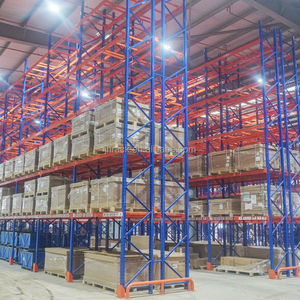
Heavy-Duty Corrosion Protected Warehouse Pallet Racking
Thermoset epoxy polyester or hot-dip galvanized finishes designed for cold-storage rooms, humid environments, and chemical transit plants.
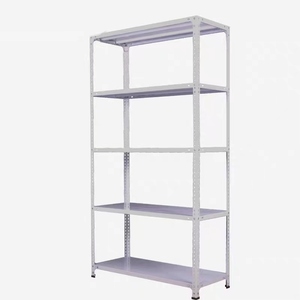
Light Duty Storage Steel Angle Shelf Rack Holders
Slotted angle light-to-medium component shelving optimized for rapid assembly, spare parts depots, maintenance cribs, and hardware hubs.
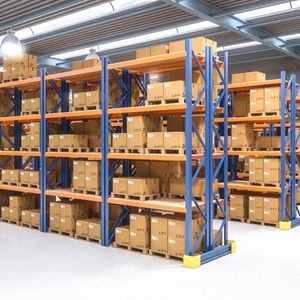
Heavy Duty Warehouse Pallet Racking Industrial System
Structural steel boxed beams with bolted bracing systems engineered to withstand lateral seismic accelerations and intensive forklift traffic.
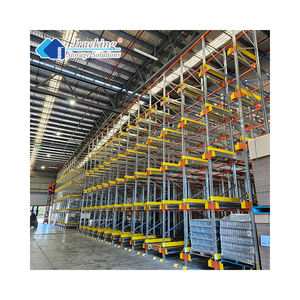
Four-Way Radio Shuttle Racking Automatic Storage System
High-density dynamic shuttle channel integration designed for high-cube throughput, integrated with PLC and WCS automation layers.
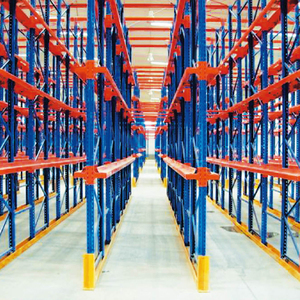
Cold Rolled Steel Drive-In Pallet Racking System
Continuous lane design eliminating service aisles to deliver up to 80% higher spatial volume utilization for bulk single-batch stock holding.
Engineering Wide Aisle Racking for Rigorous Warehouse Intralogistics
A comprehensive analysis of load-deflection ratios, continuous roll-forming steel metallurgy, and forklift maneuvering safety margins.
Wide Aisle (Selective) System Physics & Aisle Calculations
Wide aisle pallet racking remains the definitive baseline across modern supply chain engineering. Engineered with working operating aisles generally configured between 3.0 meters and 3.8 meters wide, wide aisle racking facilitates unrestricted access to every stored unit load without requiring specialized articulated or guided material handling equipment.
The structural anatomy relies on certified cold-rolled high-tensile steel (typically Q235B to Q355B or European equivalent S235JR to S355MC). Uprights undergo continuous profiling with cold punched omega profiles to eliminate localized stress concentrations. Beams utilize interlocked box profiles welded to heavy-gauge 3-claw or 4-claw connectors with integral safety locks, ensuring an absolute load deflection limitation of 1/200 (L/200) under full design loading as mandated by EN 15512 and FEM 10.2.02 codes.
Unlike drive-in or shuttle channels where pallet selectivity drops significantly, wide aisle arrangements offer 100% immediate random access. This layout makes it the premier architectural configuration for third-party logistics (3PL) providers and dynamic distribution centres managing thousands of fragmented fast-moving consumer SKUs.
OEM Customization: From Strip Coil to Seismic Certification
Procuring industrial racking through an established OEM manufacturer eliminates the design and metallurgical bottlenecks frequently encountered with secondary trading brokers. Custom OEM fabrication initiates with controlled hot-rolled pickled and oiled (HRPO) or cold-rolled coils, undergoing continuous CNC punching and multi-station roll-forming lines.
OEM upright frames are calculated based on customized column loading, baseplate thickness, anchor bolt shear forces, and concrete slab compressive strength (typically C20/25 to C30/37). In regions exposed to seismic activities, structural designs incorporate dynamic finite element modeling (FEM) accounting for the horizontal seismic coefficient (Ag), effective weight reduction factor for live pallet loads, and rack ductility ratios according to ISO 16686 / ANSI MH16.1 specifications.
Protective finishes are matched directly to client storage operating environments: multi-stage electrostatic thermosetting epoxy powder coatings cured at 200°C for dry warehousing, or continuous hot-dip galvanization meeting ASTM A123 / EN ISO 1461 standards to ensure 30+ years of maintenance-free service inside extreme sub-zero cold-storage facilities.
Global Manufacturing Footprint & Engineering Assurance
Backed by six decades of intralogistics mastery, automated continuous roll-forming lines, and certified quality management systems spanning over 70 export territories.
Future Procurement Trends & Next-Gen Racking Architectures
Key procurement transformations shaping warehouse investments toward 2030: automation interoperability, carbon lifecycle monitoring, and seismic modularity.
Interoperability with Mobile Autonomous Robots (AMRs)
Traditional static wide aisle racking is rapidly evolving into hybrid fulfillment layouts. Pallet rack base levels are engineered with elevated clear-span tunnels and optical guidance clearances to let autonomous mobile robots (AMRs) and automated forklifts traverse beneath lower beam tiers, combining bulk pallet storage with high-speed automated carton sorting.
Decarbonized Metallurgy & Scope 3 Traceability
Global procurement teams now require documented environmental product declarations (EPDs) and low-embodied-carbon steel verification. Industrial buyers require OEM suppliers to source steel coils produced via Electric Arc Furnace (EAF) technologies powered by renewable energy, reducing structural steel carbon footprints by up to 45% across major buildouts.
Integrated Structural IoT & Impact Sensor Networks
Upright integrity management is shifting from manual annual physical inspections to proactive continuous telematics. Next-generation wide aisle racking systems integrate wireless multi-axis strain and impact sensors on aisle-end corner uprights, immediately transmitting structural deformation data to warehouse management systems (WMS) following forklift collisions.
Frequently Asked Engineering & Sourcing Questions
Key technical parameters, design factors, and structural calculations required by warehouse managers and supply chain directors prior to ordering custom OEM racking arrays.
Get CatalogWhat structural information is required to engineer a custom OEM wide aisle racking layout?
How does wide aisle selective racking compare structurally against drive-in and shuttle systems?
What steel grades and corrosion protection coatings are utilized for international export orders?
How are allowable beam deflections and seismic engineering factors verified?
What factory testing procedures and quality certifications accompany each OEM shipment?
Initiate Your Engineering Storage Layout Consultation
Connect with our technical storage application teams for structural calculations, CAD layout optimization, and direct OEM volume supply estimates calibrated to your warehouse footprint.
Get Catalog