Featured Industrial Storage & Heavy-Duty Racking Systems
Explore precision-fabricated, high-capacity racking configurations engineered to meet stringent United States warehousing demands, structural seismic safety mandates, and extreme throughput requirements.
Navigating Industrial Storage Infrastructure in the United States
Structural engineering compliance, seismic design criteria, and floor space optimization strategies for North American logistics facilities.
In the highly competitive United States supply chain ecosystem, warehouse square footage represents an increasingly capital-intensive operational asset. From high-velocity distribution centers in the Inland Empire to coastal 3PL fulfillment hubs near New Jersey and Savannah, warehousing enterprises require dynamic, structurally superior heavy-duty storage racks. Finding an industry-vetted heavy duty warehouse shelving supplier is not merely about procuring bent steel; it is an engineering calculation that directly impacts life safety, seismic regulatory compliance, structural floor slab load preservation, and supply chain continuity.
Warehouse racking deployment within the United States market operates under rigorous engineering frameworks established by the Rack Manufacturers Institute (RMI MH16.1 Specification), the International Building Code (IBC), and local municipal fire safety protocols (NFPA 13). With industrial facilities scaling vertically to 40-foot clear heights, static and seismic stability analysis is paramount. Our engineering divisions implement high-tensile structural steel shapes and specialized cold-formed roll-formed steel, verifying each column upright profile, beam connector lock, and baseplate anchor configuration through rigorous finite element analysis (FEA).
| System Architecture | Structural Profile | Typical Payload / Level | Target US Industry Vertical | Compliance Standards |
|---|---|---|---|---|
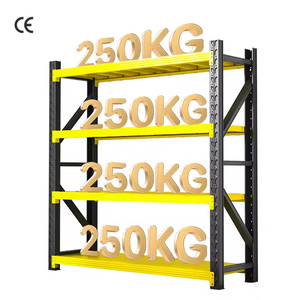
| Selective Pallet Racking | Roll-Formed Step Beam / Structural C-Channel | 2,500 – 9,000 lbs | Omnichannel 3PL, General Merchandise, FMCG | ANSI MH16.1 / R-Mark |
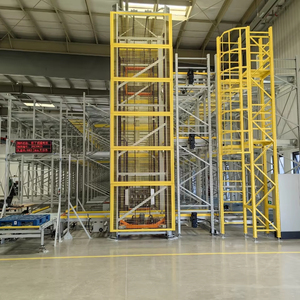
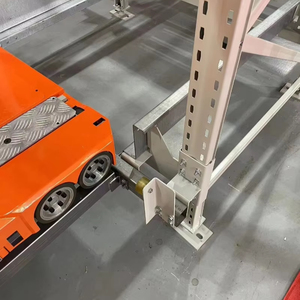
| High-Density Radio Shuttle | Heavy-Duty Galvanized Structural Profiles | 1,500 – 3,300 lbs | Cold Storage Logistics, Food & Beverage Buffer | IBC Seismic Class D-F |
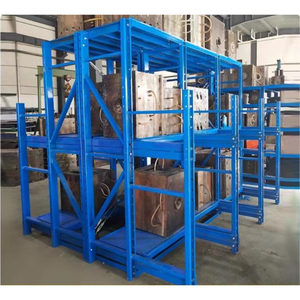
| Automated Die Mold Racks | Structural Wide-Flange (W-Beam) Steel | 4,000 – 20,000 lbs | Automotive Die Casting, Heavy Stamping Tools | AISC 360 / OSHA 1910 |
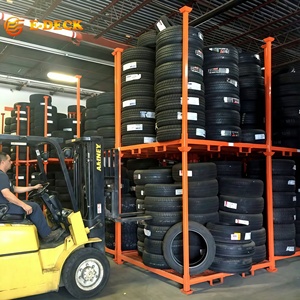
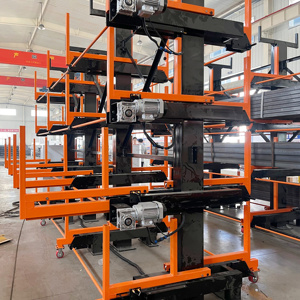
| Cantilever Telescopic Racks | Tubular Welded Column & Extensible Arms | 3,000 – 12,000 lbs / Arm | Extruded Aluminum, Structural Steel, Timber Yards | ANSI MH16.3 |
US Regional Industry Use Cases & Strategic Deployments
Tailoring intralogistics configurations across key North American industrial corridors.
Midwest Automotive & Heavy Tooling
Facilities across Michigan, Ohio, and Indiana leverage heavy-duty steel injection mold and die-storage systems. Featuring custom roll-out and crane-accessible decks, these systems safely house massive tooling assets weighing in excess of 10,000 lbs with zero beam sag.
High-Throughput E-Commerce Hubs
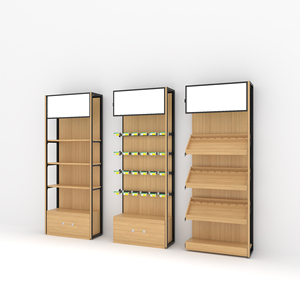
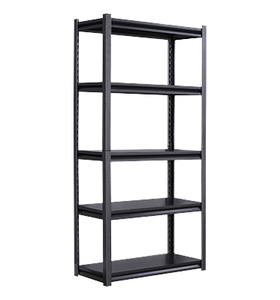
Spanning distribution centers across Dallas-Fort Worth, Atlanta, and Pennsylvania, omnichannel distributors deploy multi-tier boltless rivet shelving and selective systems to maximize pick-face density and streamline automated conveyor routing.
Seismic-Zone Cold Chains
In high-density food and pharmaceutical cold storage facilities in California and Washington State, automated four-way radio shuttle systems eliminate fork-truck travel inside sub-zero environments while meeting Seismic Design Category E & F requirements.
Key Technological Trends Reshaping US Warehousing
How automation, real-time telemetry, and modular structural designs define next-generation facilities.
The industrial real estate landscape in the United States continues to experience rising land values, construction costs, and localized labor shortages. Consequently, operators are migrating from conventional manual rack layouts to automated intralogistics architectures. The integration of Automated Guided Vehicles (AGVs) and Autonomous Mobile Robots (AMRs) alongside high-density shuttle racking systems represents the leading edge of modern supply chain engineering. Systems now feature factory-toleranced guiding channels, sub-millimeter level surfaces, and integrated IoT sensors that monitor deflection, floor anchor torque, and structural stress in real-time.
Furthermore, ESG (Environmental, Social, and Governance) operational metrics are transforming rack production. Leading US enterprises demand durable thermoset powder coatings that emit zero volatile organic compounds (VOCs) and provide high scratch resistance, corrosion shielding, and enhanced light reflectivity. This optimization reduces lighting energy consumption across deep warehouse aisles while delivering decades of functional service under punishing heavy-equipment traffic.
Why Industry Leaders Choose Our Racking Infrastructure
Direct manufacturing control, certified structural reliability, and end-to-end lifecycle engineering.
Direct Manufacturing Control
Operating 12 specialized production centers worldwide, we manage every phase from mill-certified steel selection through automated robotic welding, ensuring continuous lot traceability and structural reliability.
60+ Years of Intralogistics Heritage
Backed by six decades of international storage engineering and 7 R&D innovation hubs, our custom-tailored layouts are validated by certified Professional Engineers (PE) across multiple regional jurisdictions.
Turnkey US Project Execution
From initial warehouse slab load calculations and fire suppression coordination to municipal permitting, seismic engineering, and post-installation inspections, our teams ensure complete lifecycle compliance.
Frequently Asked Questions by US Procurement Teams
Engineering, compliance, and logistical clarifications for industrial storage capital expenditures.
What structural steel standards govern heavy-duty warehouse racking in the United States?
How does seismic zoning affect warehouse racking design and layout?
What is the difference between roll-formed and structural steel storage racks?
What information is needed to obtain a PE-stamped warehouse racking layout?
Optimize Your Warehouse Density & Throughput Today
Connect with our structural engineers to review your facility floor plans, receive a free seismic layout simulation, and discuss high-density storage solutions tailored to your operational KPIs.
Contact Us