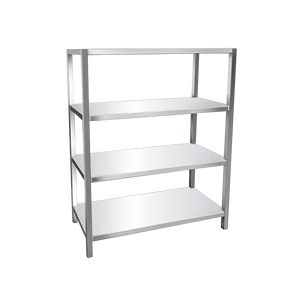
Optimising Logistics Footprints Across the Chūkyō Industrial Core
Nagoya and the broader Aichi Prefecture represent Japan’s preeminent manufacturing powerhouse, generating over 40 trillion yen in annual industrial shipments. From Tier-1 automotive corridors in Toyota City, Kariya, and Komaki to the aerospace supply networks surrounding Chubu Centrair International Airport, warehouse operations must meet stringent Just-In-Time (JIT) dispatch cycles, high seismic performance benchmarks (JIS/EN design loads), and extreme floor footprint conservation. As a high-capacity warehouse racking, shelving, and parts bin storage systems factory and global exporter, our supply solutions bridge heavy-load structural integrity with advanced modular parts sorting.
Export-Grade Catalog
Certified Heavy-Duty Racking & Picking Infrastructure
Engineered to standard JIS and ISO tolerances, seamlessly integrating with high-density automated or manual bin retrieval setups.
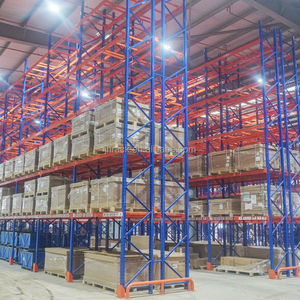
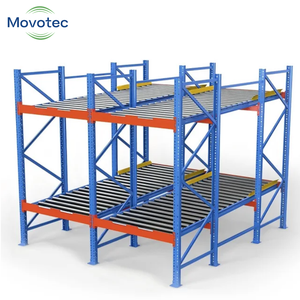
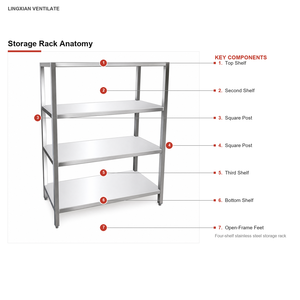
Localised Application Scenarios
Engineering Racks and Bin Storage for Greater Nagoya's Core Sectors
Operational reality in Aichi and Mie Prefectures demands solutions engineered specifically for high inventory turns, rapid line-side replenishment, and strict compliance with Japanese safety mandates.
Automotive Tier-1 & Tier-2 Line Feeding
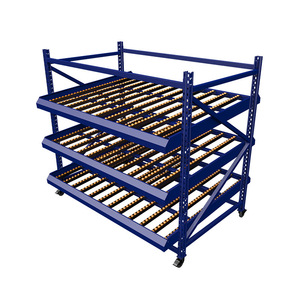
Automotive assembly plants require uninterrupted supply chains with zero component errors. Our gravity roller flow and carton flow setups streamline high-density bin staging for fasteners, stamped brackets, wire harnesses, and electronics modules.
- Strict FIFO (First-In, First-Out) rotation preserves torque calibration periods
- Customised bin dividers prevent cross-contamination of SKUs
- Integrated pick-to-light rails support rapid line kitting cycles
Aerospace Machining & Tooling Staging
Serving aircraft sub-assembly facilities around Kakamigahara and Centrair, our high-load shelving and stainless systems house titanium structural components, high-precision turbine blades, and CNC cutting tools under rigorous traceability regimes.
- Non-scratch polymer-lined shelf bins prevent component marring
- SUS304/SUS201 stainless options resist chemical machining coolants
- Reinforced uprights tolerate concentrated tooling fixture weights
Port of Nagoya Cross-Dock & 3PL Fulfillment
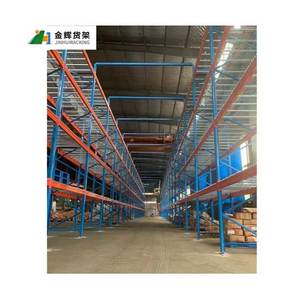
As Japan's highest total cargo volume port, the Port of Nagoya demands ultra-dense pallet-to-bin conversion facilities. Heavy-duty selective and teardrop racking adapt effortlessly to multi-tier mezzanine picking towers.
- Immediate vertical scalability to capitalise on premium ceiling clearances
- Seamless integration with automated miniload and AMR transport fleets
- Durable electrostatic powder coatings resist high-humidity marine air
Engineering Specifications
Rack & Storage Bin Specification Matrix for Japanese Facilities
Compare load configurations, standard beam deflections, and recommended bin pairings for Nagoya industrial warehouses.
| System Architecture | Structural Profile | Load Rating (UDL) | Bin Pairing Type | Optimal Deployment Focus |
|---|---|---|---|---|
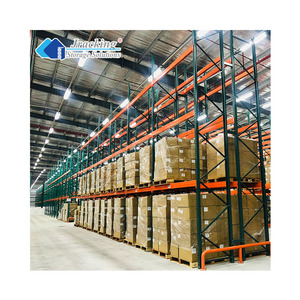
| Heavy-Duty Selective Pallet Racking | Q235B / Q355B Cold-Rolled Steel | 1,000 – 4,000 kg / level | Wire mesh decking with drop-in steel pallet bins | Bulk automotive sub-assemblies & heavy raw forgings |
| Carton & Bin Gravity Flow (FIFO) | Extruded Aluminum / Galvanized Track | 150 – 600 kg / lane | Conductive ESD plastic tote bins & corrugated totes | High-velocity line kitting & assembly parts staging |
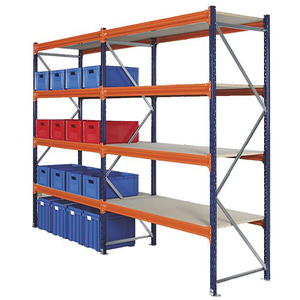
| Medium-Duty Selective Boltless Shelving | Step-beam with 50mm pitch punch | 200 – 800 kg / shelf | Stackable open-front hopper bins & sub-dividers | Maintenance (MRO) spare parts, electrical hardware |
| SUS304 Sanitary Precision Shelving | Commercial Grade Stainless Steel | 150 – 350 kg / shelf | Autoclavable polypropylene bins & silicone liners | Semiconductor cleanrooms, pharmaceutical, food prep |
| Heavy-Duty Galvanized Teardrop Racking | Continuous hot-dip galvanized coating | 800 – 3,500 kg / level | Galvanized metal drop-box cages & heavy timber skids | Coastal port facilities, cold-chain, chemical bulk storage |
Regional Trends 2026-2030
Shifting Dynamics in Greater Nagoya’s Intralogistics Market
Three overarching economic and industrial shifts are transforming how Nagoya-based distribution centers specify their racking systems and small-parts bins.
Seismic Resilience Under Nankai Trough Preparedness
With revised earthquake preparedness mandates across Shizuoka, Aichi, and Mie prefectures, enterprise facility managers are phasing out low-gauge, uncertified racking. Modern facilities require uprights capable of absorbing dynamic lateral shock waves through ductile cold-formed omega uprights, heavy-duty floor baseplates with double M12 wedge anchoring, and anti-drop bin backstops.
Automation-Ready Hybrid Racking for AMRs
Japan’s acute logistics labor shortages have accelerated the deployment of Autonomous Mobile Robots (AMRs) and automated Guided Vehicles (AGVs) throughout Tokai distribution hubs. Standard static shelving is rapidly evolving into hybrid, high-clearance bin racking engineered with precise lower ground rail tolerances, unobstructed guide paths, and reflective barcode fiducial markers.
Kanban Precision & Density Maximisation
High industrial land costs in the Nagoya-Meishin corridor mean facility expansion must happen vertically. Companies are deploying multi-tier shelving mezzanines fitted with high-impact color-coded polypropylene tote bins, eliminating wasted airspace between pick faces and integrating barcode RFID slots directly into the bin lip for continuous real-time WMS telemetry.
Enterprise Credentials
Why Leading Japanese Operations Source Directly From Our Factory
Combining heavy industrial manufacturing capability with complete international export compliance to deliver competitive total cost of ownership (TCO).
In-House Structural Engineering & Calculation
Every system exported to Nagoya is mathematically verified by our engineering department for beam deflection (L/200 standard or L/300 for high-precision robotic operations) and local seismic load combinations. Detailed AutoCAD layout drafts and 3D structural simulations ensure zero spatial conflicts before fabrication starts.
Direct Manufacturing Quality Control
With 12 advanced production centres worldwide, we manage every step of production internally: from raw steel coil slitting, roll-forming, and robotic stamping to automated electrostatic powder coating. This ensures mill-certified steel composition, uniform zinc coating thickness, and exact dimensional precision across thousands of modular bins and racking uprights.
Full Lifecycle & Nagoya Direct Shipping Logistics
We supply turnkey containerised shipments direct to the Port of Nagoya (Meiko), complete with strict export packing, numbered bundle tagging, and bilingual installation schematics. Backed by a commercial footprint serving over 70 countries, our technical specialists support your local contractor teams from clearance through installation and final inspection.
Procurement FAQ
Frequently Asked Questions: Sourcing Warehouse Racks & Bins for Nagoya
Detailed technical, compliance, and export answers addressing common inquiries from procurement directors, logistics engineers, and project leaders.
Can your racking systems be calculated and certified according to Japanese Building Standards (Kenchiku Kijun-hō) and JIS seismic specifications?
Yes. Our in-house structural engineering team calculates frame uprights, beam connector locks, and floor baseplates in accordance with both international standards (EN 15512, RMI) and Japanese domestic requirements (JIS Z 0620 for industrial storage racks). For installations planned in seismic zones like Aichi Prefecture, we calculate lateral seismic shear coefficients (typically target Co = 0.2 to 0.3g depending on warehouse building classification and slab soil profiles) to ensure complete stability under sudden seismic shocks. Certified calculations and loading plaques can be supplied for your local building inspection dossiers.
How are export shipments routed to Nagoya, and what are typical lead times?
All fabricated racking components, mesh decks, and molded plastic rack bins are packed into containerized sea freight units directly bound for the Port of Nagoya. Ocean transit from our major production facilities typically takes between 4 and 8 days depending on the selected shipping lane. Our factory operations ensure custom roll-forming and powder-coating cycles are completed in 15 to 25 business days. We provide comprehensive export documentation including Japanese customs clearance invoices, packing manifests with color-coded bundle IDs, Certificates of Origin (COO), and mill test certificates (MTC).
What specific options are available for automotive small parts bin storage and line kitting?
For Nagoya's automotive manufacturers, we offer an array of specialized bin integration solutions: (1) Anti-static (ESD) conductive polypropylene bins designed for sensitive electronic ECUs and vehicle sensors; (2) Heavy-duty front-hopper stackable plastic bins with clear vertical slot dividers for small mechanical fasteners; (3) Inclined roller carton flow tracks featuring drop-in metal bin dividers that maintain strict FIFO discipline; and (4) Drop-in steel tote boxes engineered to withstand hot forgings or sharp stamped metal components straight off stamping presses.
Can our existing facility integrate your racking units without upgrading the floor slab?
In the vast majority of retrofit scenarios across Nagoya warehouses, our systems integrate onto existing concrete slabs without secondary foundation work. During the initial consultation, our engineering department reviews your slab thickness (typically 150mm–250mm reinforced concrete in Tokai logistics hubs) and ground load capacity (kN/m²). We then customize the footplate surface area and base anchor layout to distribute concentrated point loads safely across the slab, preventing localized concrete cracking or anchor pull-out failures.
What finish options do you provide for humid coastal port environments like Minato-ku and Tobishima?
For warehouses located in proximity to Nagoya Harbor or unconditioned maritime logistics centers, we provide two high-performance corrosion protection options: continuous hot-dip galvanized (HDG) coating compliant with ISO 1461, and marine-grade multi-stage epoxy powder coating with high-temperature curing. For extreme hygiene or chemical washdown areas (such as cold-chain fish markets or chemical processing plants), our SUS304 and SUS201 stainless steel modular shelving provides total oxidation immunity.
What essential data is required to receive a comprehensive technical proposal and CAD layout?
To provide an exact engineering proposal and structural estimate, we require: (1) Facility architectural floor plan indicating clear building height to the lowest obstruction (sprinklers/beams), column grids, and dock door locations; (2) Unit load specifications (pallet or bin dimensions L x W x H, maximum weight per unit, and type of storage container); (3) Target SKU counts and rotation methodology (FIFO vs. LIFO); and (4) Handling equipment specifications (forklift model, lift height, and minimum right-angle stacking aisle turning radius).
Consult With Our Warehouse Design Engineers for Your Nagoya Facility
Whether you are retrofitting an automotive parts kitting store in Aichi, expanding a 3PL distribution hub at the Port of Nagoya, or designing a brand-new high-bay pallet racking facility from the ground up, our engineering team provides direct layout proposals, load calculations, and competitive FOB/CIF export pricing.