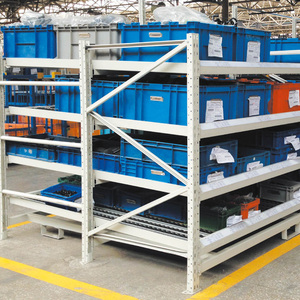
Engineered Storage Lines
Certified Gravity Flow Storage Solutions for Algeria
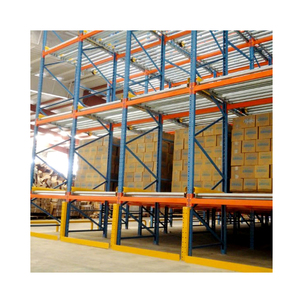
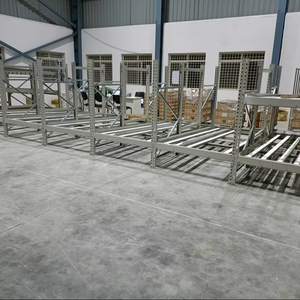
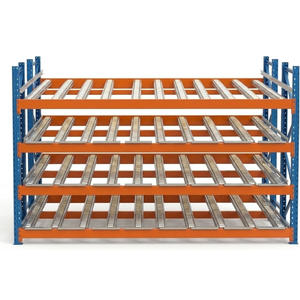
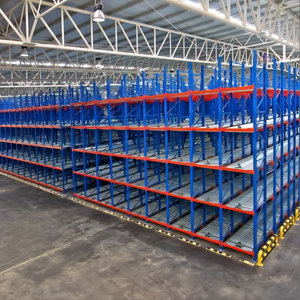
Engineered to European EN 15512 safety protocols and Algerian industrial parameters, our gravity flow systems utilize dynamic kinetic control and heavy-duty steel profiles to ensure zero-defect FIFO operations.
Market Dynamics
Engineering Gravity Flow for Algerian Industrial Infrastructure
Industrial expansion across Algeria demands warehouse systems engineered for local environmental realities, logistical corridors, and strict regulatory standards.
Cold-Chain Continuity (Blida, Mitidja & Oran)
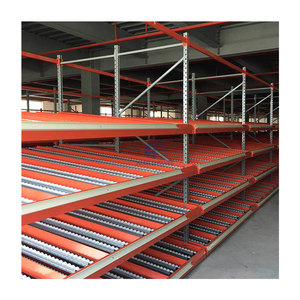
Algeria's agro-industrial corridors, particularly across the Mitidja plain and Oran, face challenges with inventory decay and refrigerated energy costs. Our gravity flow racks deliver strict First-In, First-Out (FIFO) material rotation without requiring internal power. By eliminating intermediate access aisles, facility operators decrease cooled volumetric space by up to 60%, reducing refrigeration plant load.
Pharmaceutical Traceability (Constantine & Algiers)
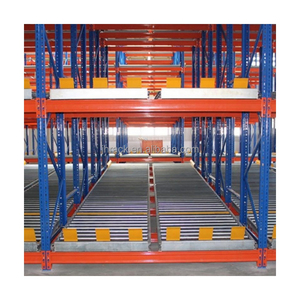
With Algeria's domestic pharmaceutical production targeting complete import substitution, manufacturing plants in Constantine and Algiers must comply with strict batch segregation rules. Pallet flow lines feature dedicated lane assignment per batch, physical load separation, and controlled descent speeds, preventing lot mixing while maintaining clear visual stock audits.
Seismic Engineering for Northern Algeria (RPA-99 / Eurocode 8)
Northern Algeria sits within an active tectonic belt (Zone IIa and Zone III under RPA 99 / DTR-BC 2-48 rules). Unlike static racks, gravity flow configurations contain dynamic moving masses that alter structural natural frequencies. Our engineering team calculates specific anchor tensile capacities, oversized baseplates, and longitudinal bracing to prevent progressive structural collapse during seismic events.
| Storage System Type | Space Utilization | FIFO Compliance | Forklift Operating Hours | Algerian Facility Suitability |
|---|---|---|---|---|
| Industrial Pallet Gravity Flow | Up to 85% Volumetric Density | 100% Strict Physical FIFO | Low (Loading & Unloading Aisles Only) | Optimal for FMCG, Pharma, Cold Storage |
| Drive-In Racking System | 70% - 75% Volumetric Density | Strictly LIFO (Risk of Expiry) | High (Forklift drives inside lanes) | Moderate (Seasonal homogeneous buffers) |
| Conventional Selective Racking | 35% - 45% Volumetric Density | Manual FIFO Dependent | High (Requires frequent aisle traversal) | Best for low-SKU, wide-mix parts |
| Automated Radio Shuttle Systems | 80% - 88% Volumetric Density | Configurable FIFO / LIFO | Low (Shuttle handles deep lanes) | High-throughput central distribution hubs |
Strategic Industrial Outlook
Algerian Logistics Trends: 2025–2030 Transformation
Economic diversification initiatives across Algeria are accelerating the shift from horizontal floor storage to optimized high-density intralogistics infrastructure.
Import Optimization & Domestic Production
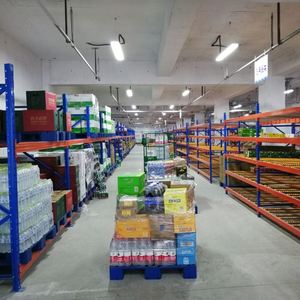
With the Algerian government enforcing higher value-addition criteria on local factories, manufacturers are shifting raw materials directly into live production-buffer racks. Gravity flow systems serve as mechanical accumulation buffers that keep assembly lines supplied continuously without forklift interference.
Passive Energy & Decarbonization Pressures
As industrial electricity tariffs align with regional cost realities, warehouse managers are choosing zero-power mechanical kinetics over motorized conveyor runs. Gravity flow racking operates entirely through gravitational potential energy (3-4% incline slope), eliminating internal power consumption and lowering operating expenses.
WMS Integration Across Modern Hubs
New distribution centers in Boumerdès, Sétif, and Rouïba are adopting Warehouse Management Systems (such as Easy WMS). Gravity flow designs simplify slotting algorithms: one dedicated loading face for inbound stocking and one picking face for outbound fulfillment, cutting travel times and reducing pick-path conflicts.
Manufacturing Scope
Engineering Scale & Reliability You Can Count On
Six decades of engineering intralogistics systems, combined with dedicated production plants, support Algerian clients from initial feasibility through project commissioning.
60+
Years of intralogistics manufacturing and systems engineering excellence
12
State-of-the-art production plants ensuring certified steel supply
70+
Countries served by our engineering and field installation network
7
R&D centers driving roller kinetics, braking design, and software R&D
Enterprise Value
Why Industrial Operators Partner With Our Manufacturing Facilities
We design and manufacture our racking lines in-house, giving procurement teams complete control over steel quality, structural performance, and delivery schedules.
Direct Mill Quality Control
We use high-grade structural steel (EN 10025 standard S235 / S355 and Q235 cold-rolled grades). Every coil undergoes yield tensile testing and ultrasonic weld inspections to ensure your racking withstands high cyclic loading.
Centrifugal Braking & Safety
Our dynamic gravity beds use self-regulating centrifugal speed controllers to keep pallet travel under 0.3 m/s, preventing runaways. Robust entry guides and end-stops protect handlers and floor teams during offloading.
Mediterranean Shipping Logistics
Our logistics networks maintain direct sea-freight corridors into Algeria's primary commercial terminals: Algiers Port, Port of Oran, Skikda, and Béjaïa. We provide complete documentation for clearing customs (Form D10, Certificate of Origin, Mill Test Certificates, and EUR.1 trade agreements).
Procurement FAQ
Frequently Asked Questions: Purchasing Racking in Algeria
Essential technical and commercial considerations for purchasing managers, operations heads, and structural consultants.
How do pallet specifications in Algeria affect gravity roller bed design?
Pallet quality is critical for reliable gravity flow. Algerian operations typically handle a mix of standard Euro-pallets (800x1200mm), industrial perimeter pallets (1000x1200mm), and varied local wooden skids. If bottom boards run across the travel direction or wooden skids are warped, roller beds can jam. Our engineers review your bottom-deck configurations to select between twin-track, triple-track, or continuous cylindrical roller beds, and adjust roller pitch to ensure at least three rollers support the load base at all times.
What anti-corrosion protection is recommended for coastal vs. Saharan environments?
Facilities near coastal ports (such as Algiers, Skikda, and Béjaïa) experience high humidity and marine salinity, requiring an electrostatic epoxy-polyester powder coating with minimum 70-80 micron dry-film thickness. In contrast, southern regions like Hassi Messaoud face fine desert sand abrasives and extreme temperature variations. For those environments, we supply zinc-galvanized upright frames and sealed roller bearings with sand-excluding labyrinth seals.
How are dynamic seismic loads calculated under Algerian building code RPA-99?
Racking installations across Zone IIa (e.g., Algiers, Tipaza, Blida) and Zone III must comply with seismic standards under RPA 99 / DTR-BC 2-48 and EN 16681. Gravity flow systems contain free-rolling dynamic pallet masses, which require specialized seismic calculations. We factor in load movement along the roller lane, add longitudinal and transverse bracing, and use chemical anchor studs certified for cracked concrete to avoid base pullout during an earthquake.
What are the import procedures, port delivery terms, and documentation for Algeria?
We support typical shipping terms including CIF Algiers, CFR Oran, and DAP facility gates. We provide full trade documentation, including bank letters of credit (Crédit Documentaire / Remise Documentaire), EUR.1 movement certificates, factory inspection certificates, detailed packing lists, and steel mill certificates, helping ensure smooth processing through Algerian customs.
What slab flatness tolerances are needed to install a gravity flow system?
Because gravity flow systems rely on precise 3% to 4% inclines, floor slab deviations directly affect roller bed slope and pallet tracking. We design according to DIN 18202 and EN 15620 classifications. Where floor slopes or uneven slabs exist, our field teams use precision leveling steel shims (1mm to 5mm) and high-strength grout beneath footplates to keep all lanes within design tolerances.
Can gravity flow systems integrate with existing automated or manual forklifts?
Yes. Gravity flow lanes are split into distinct loading (replenishment) and unloading (picking) aisles. The discharge side features mechanical pallet separators that isolate the lead pallet from upstream line pressure, allowing standard counterbalanced trucks, reach trucks, or AGVs/AMRs to extract pallets easily without roller binding.