1 / 5
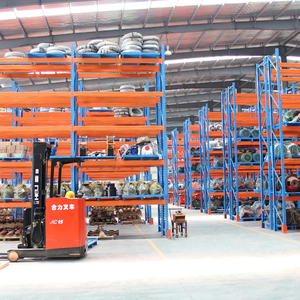
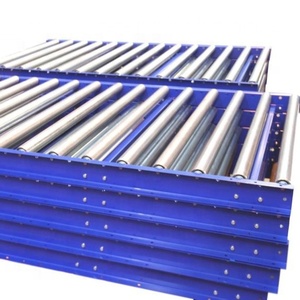
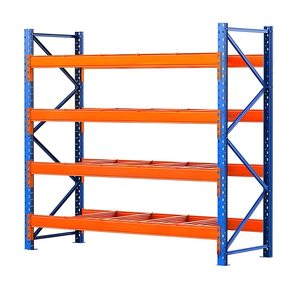
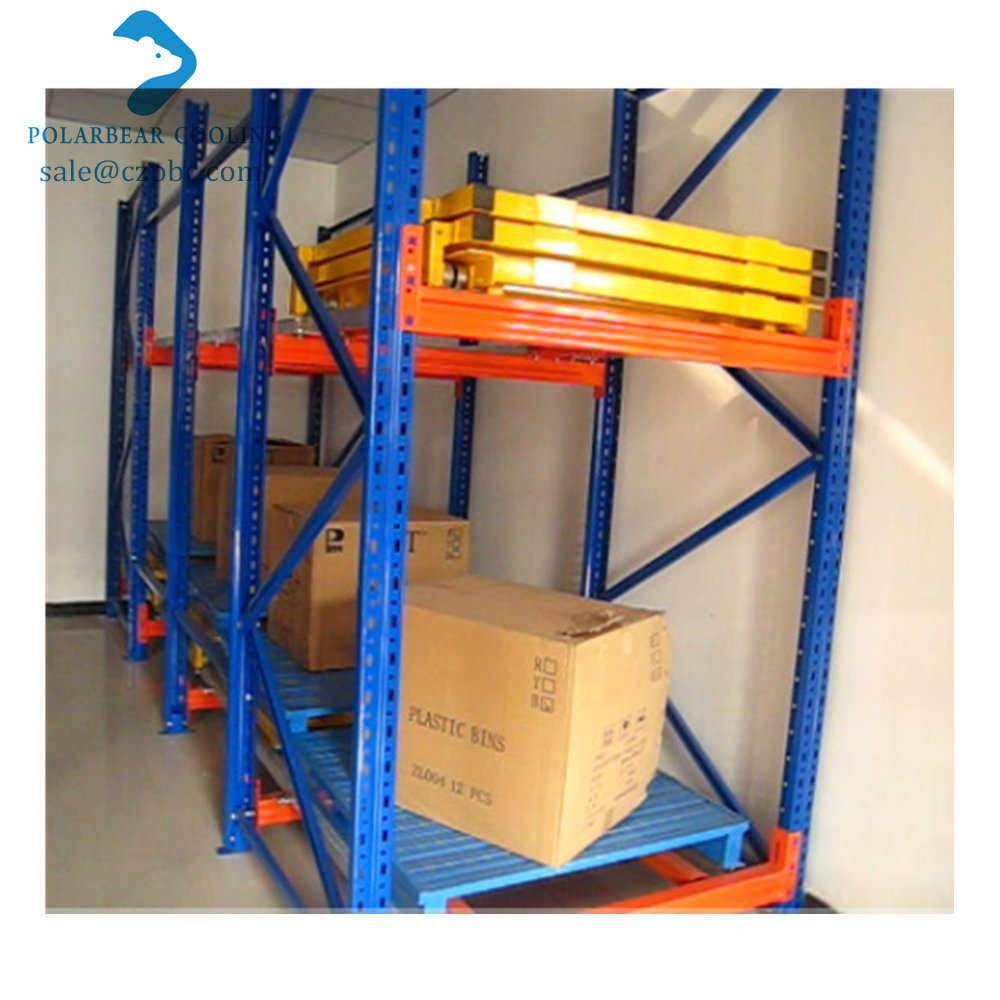
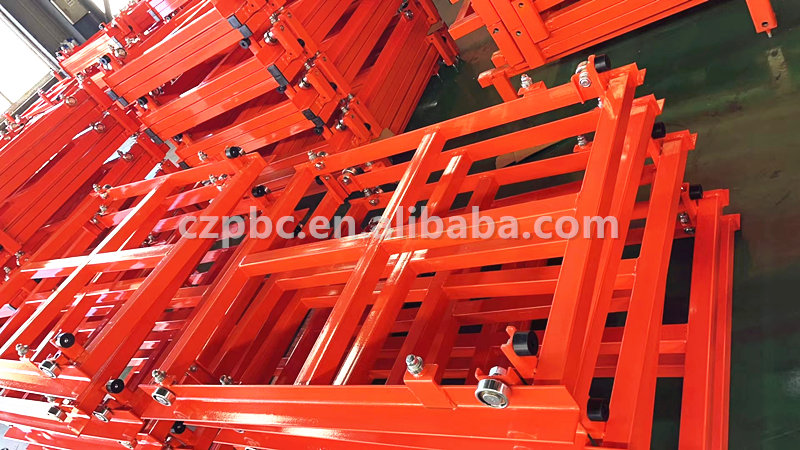
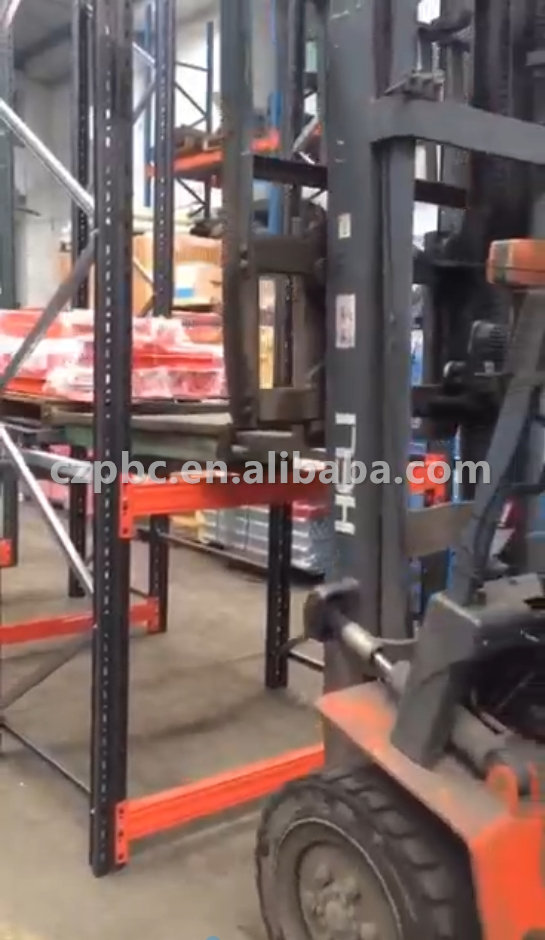
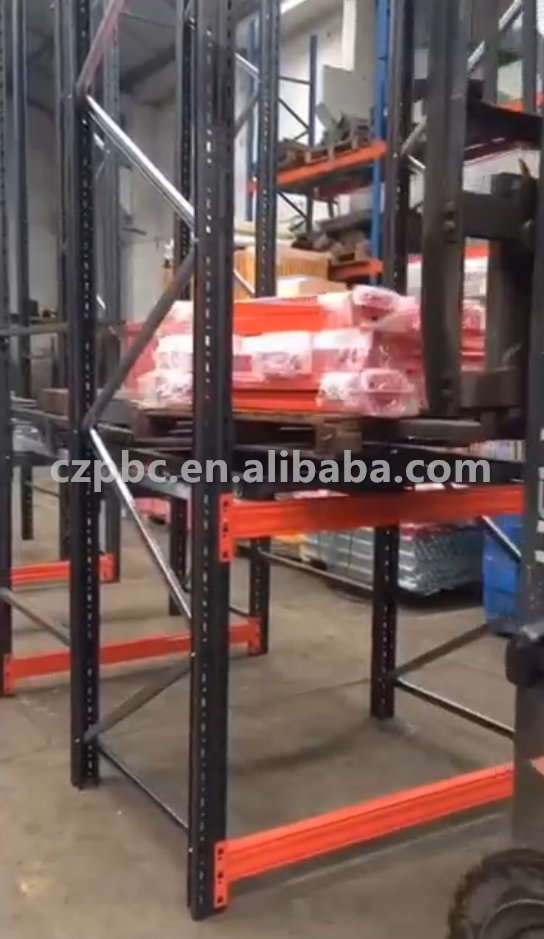
Push back racking is mainly composed of uprights, beams, tracks, and trolleys. The front and rear beams are overlapped with multi-layer trolleys. The material box or pallet is placed onto the trolley from the outside, and subsequent material units push the previous ones inside. The trolley glides across the inclined track; when the front load is retrieved, the rear trolleys slide forward automatically. This push back rack system provides high-density storage with a high space utilization rate, making it an ideal solution for goods with few SKU types and large quantities. The operating principle follows a First-In-Last-Out (FILO) method, where loading and retrieval occur on the same aisle side.
| Product Characteristics and Parameters | |
| Type | Selective Pallet Rack |
| Material | Steel |
| Feature | Corrosion Protection |
| Use | Warehouse Rack |
| Other Characteristics and Parameters | |
| Place of Origin | Jiangsu, China |
| Brand Name | CZPBC |
| Model Number | / |
| Depth | Customized |
| Weight Capacity | 500kg - 5000kg/layer |
| Width | 1000 - 4000mm |
| Height | 1500 - 8000mm |
| Color | Blue, Red, Orange |
| Loading Capacity | 800kg - 5000kg/layer |
| MOQ | 10 sets |
| Dimension | Customized |
| Painting | Electrostatic Spray |
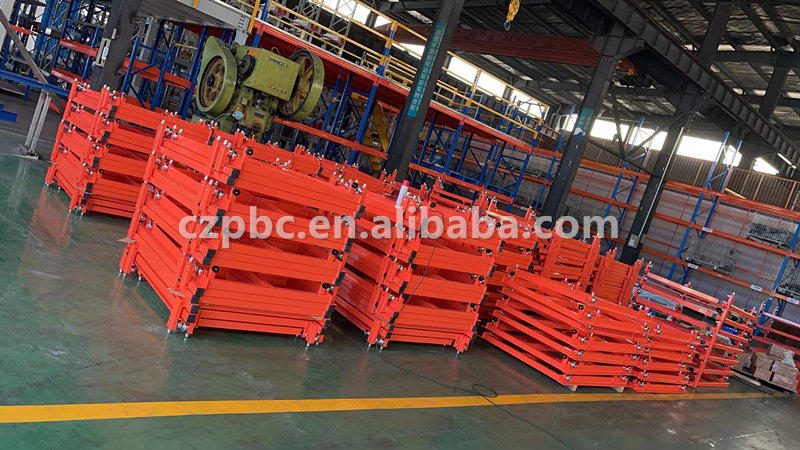
| Package | Knockdown package |
| Packaging & Delivery | |
| Package Type | Knockdown package by cartons and air bubble foam. Safe for long-distance transportation. |
| Supply Ability | |
| Supply Ability | 5000 Set/Sets per Month |
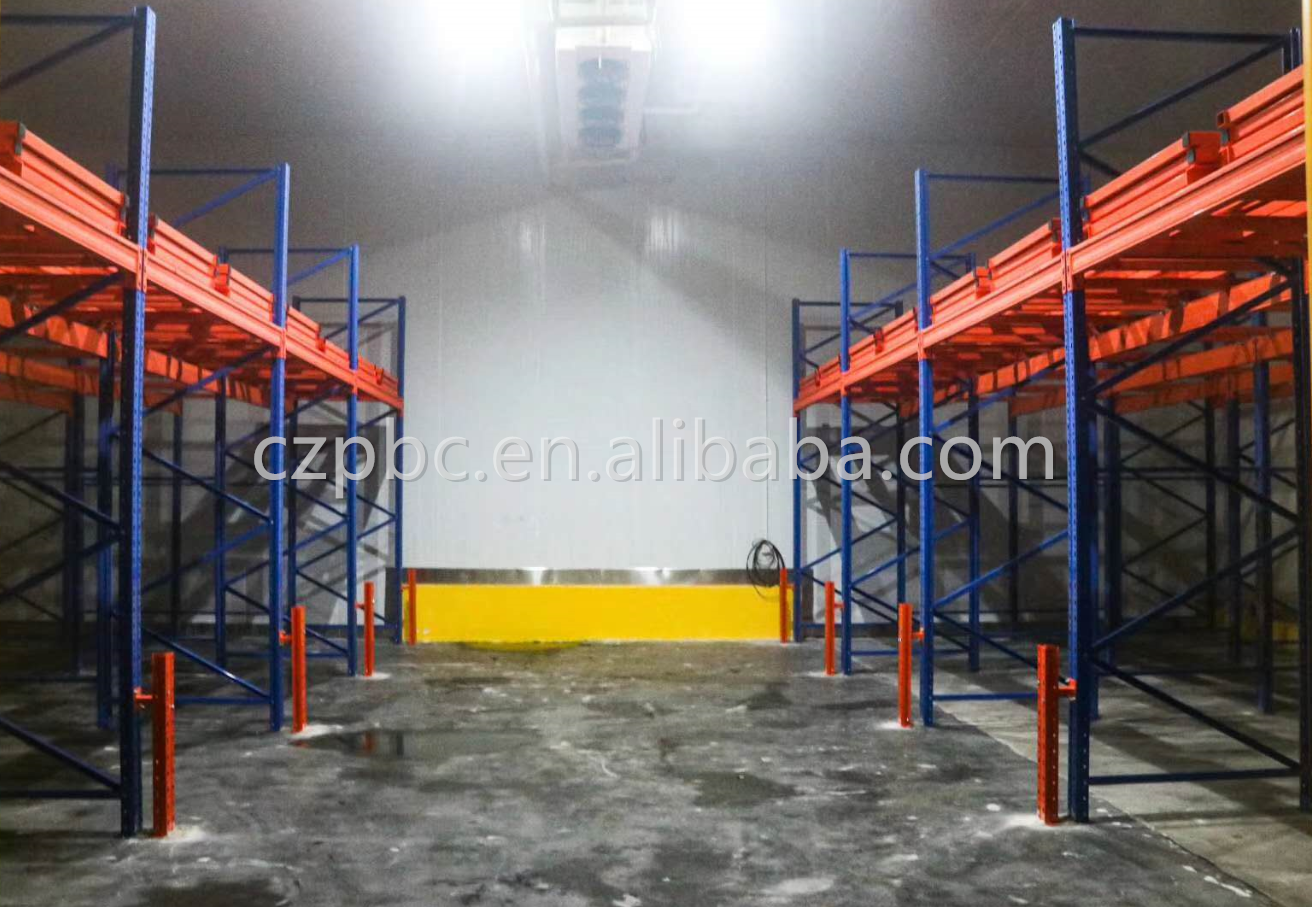
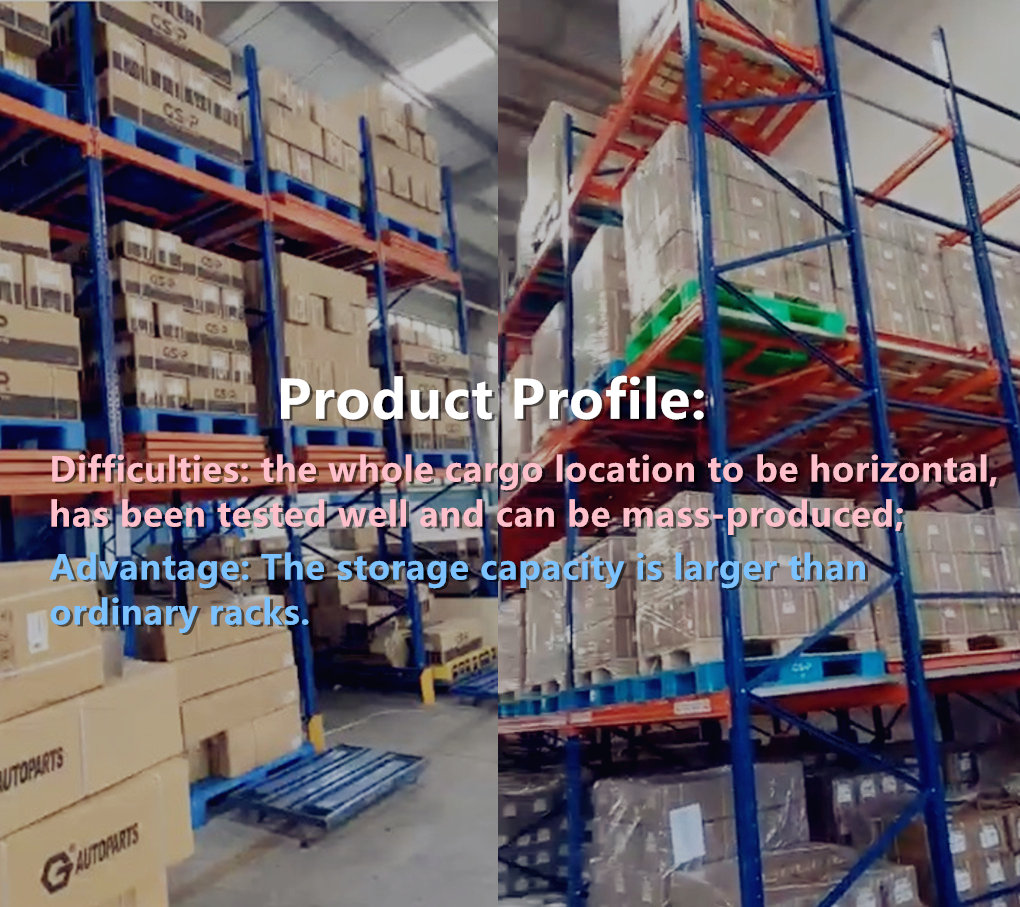
When goods are stored on push-back racks, the forklift only operates at the lower end of the guide rail and does not need to enter the internal storage channel. As a result, the access speed is significantly higher than that of drive-in racks. This makes it particularly suitable for temporary transit storage areas, or for facilities with limited space requiring dense storage for "few types, large batches" of goods. It is typically installed against warehouse walls, supporting 3 to 4 deep positions.
Push-back racks utilize multi-level pallet trolleys to transport goods, requiring precise engineering between different trolley levels, between trolleys and rails, and between rails and upright frames. Greater storage depths increase design complexity, manufacturing accuracy requirements, and overall costs. Due to structural constraints, depth is generally restricted to 5 pallet positions or fewer, giving it a comparatively lower storage capacity among ultra-dense racking categories.
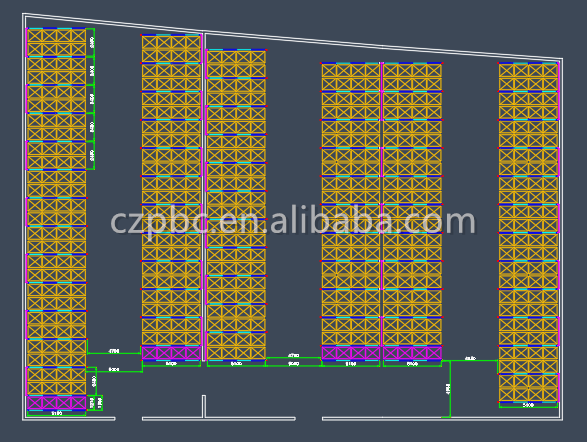
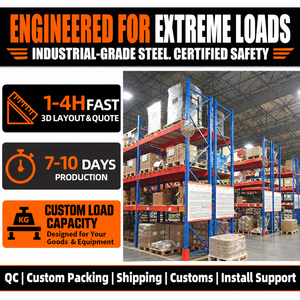
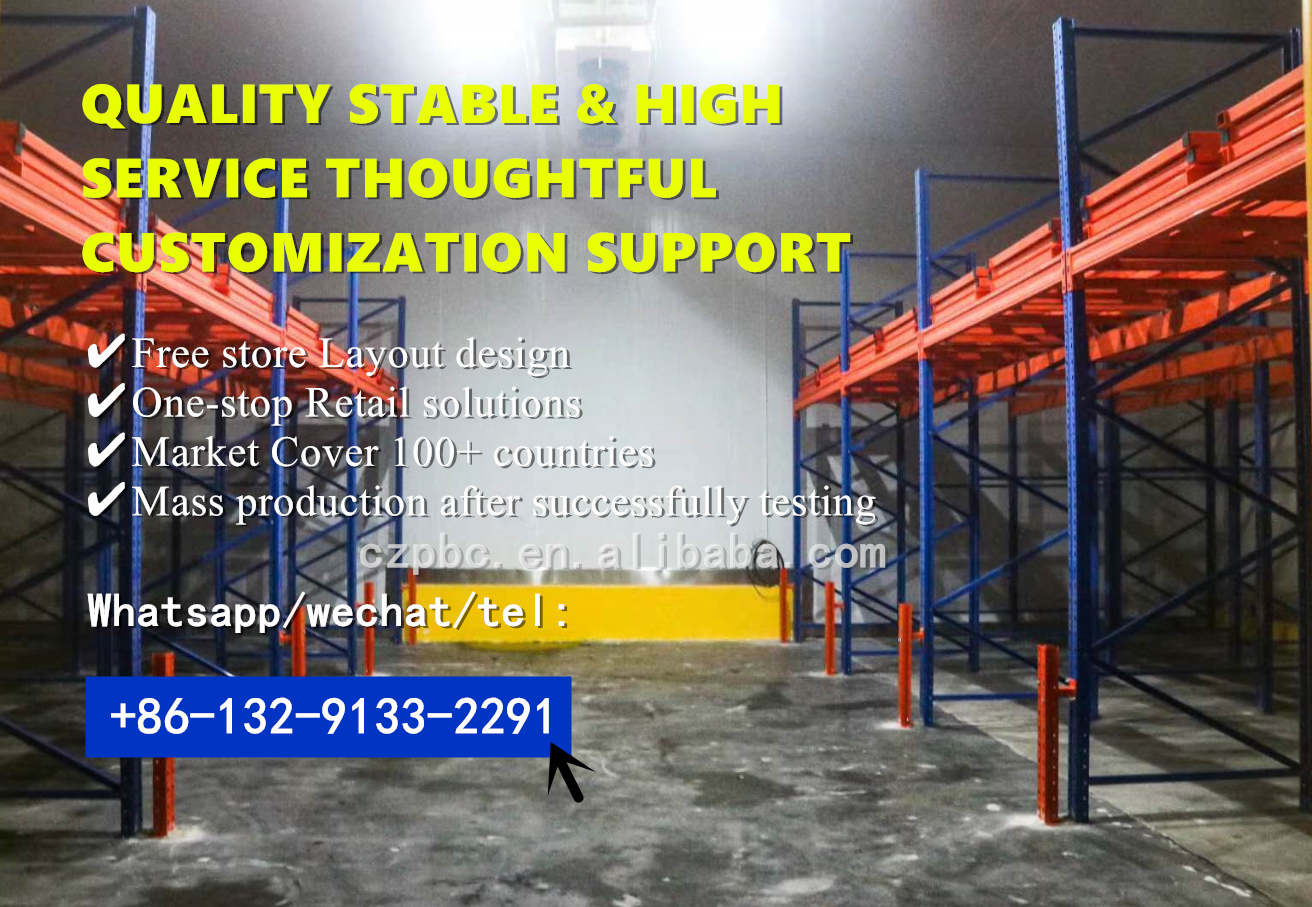
We support customization and provide complete layout design drawings free of charge. We also deliver optimized recommendations tailored to your specific warehouse specifications and storage requirements.
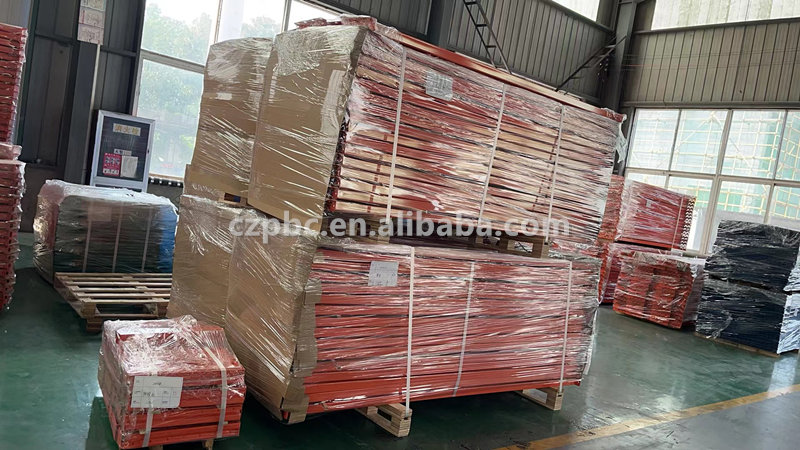
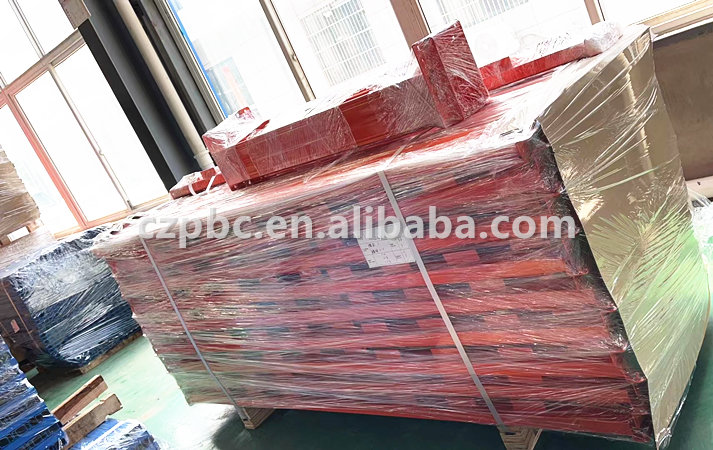
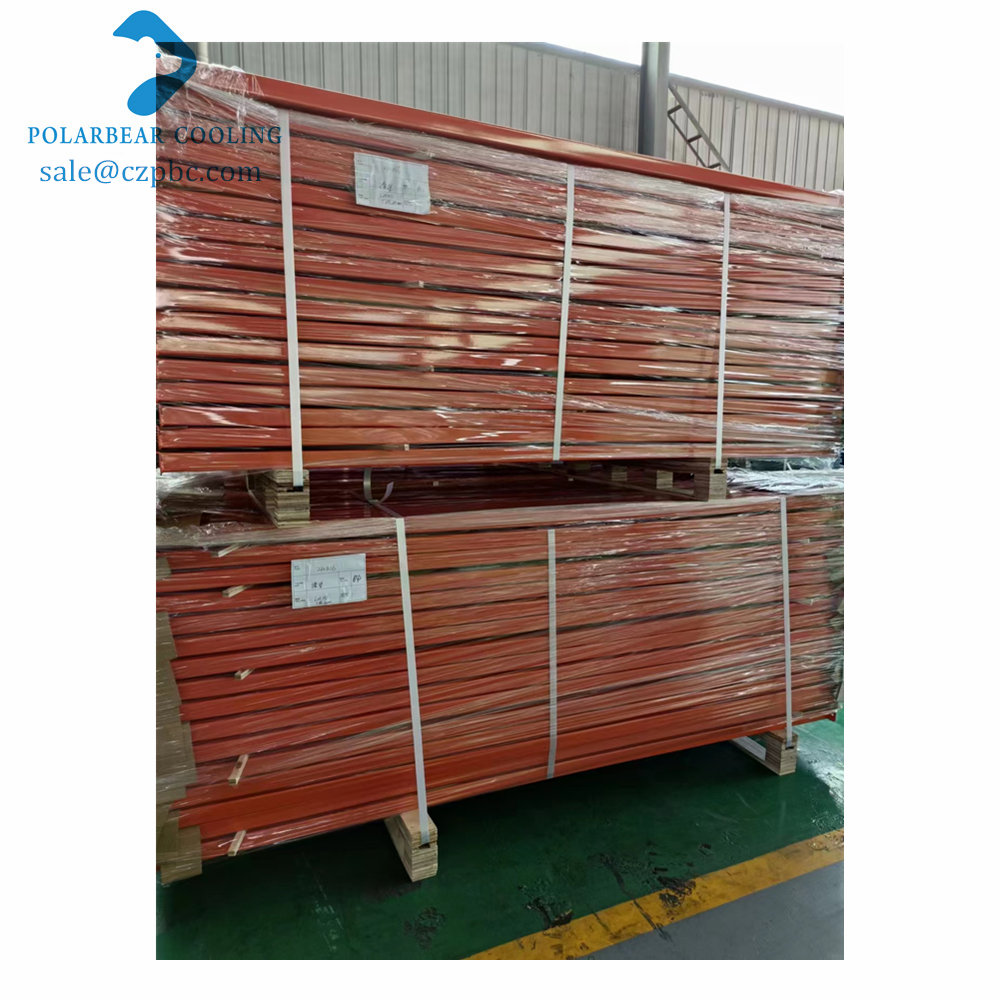
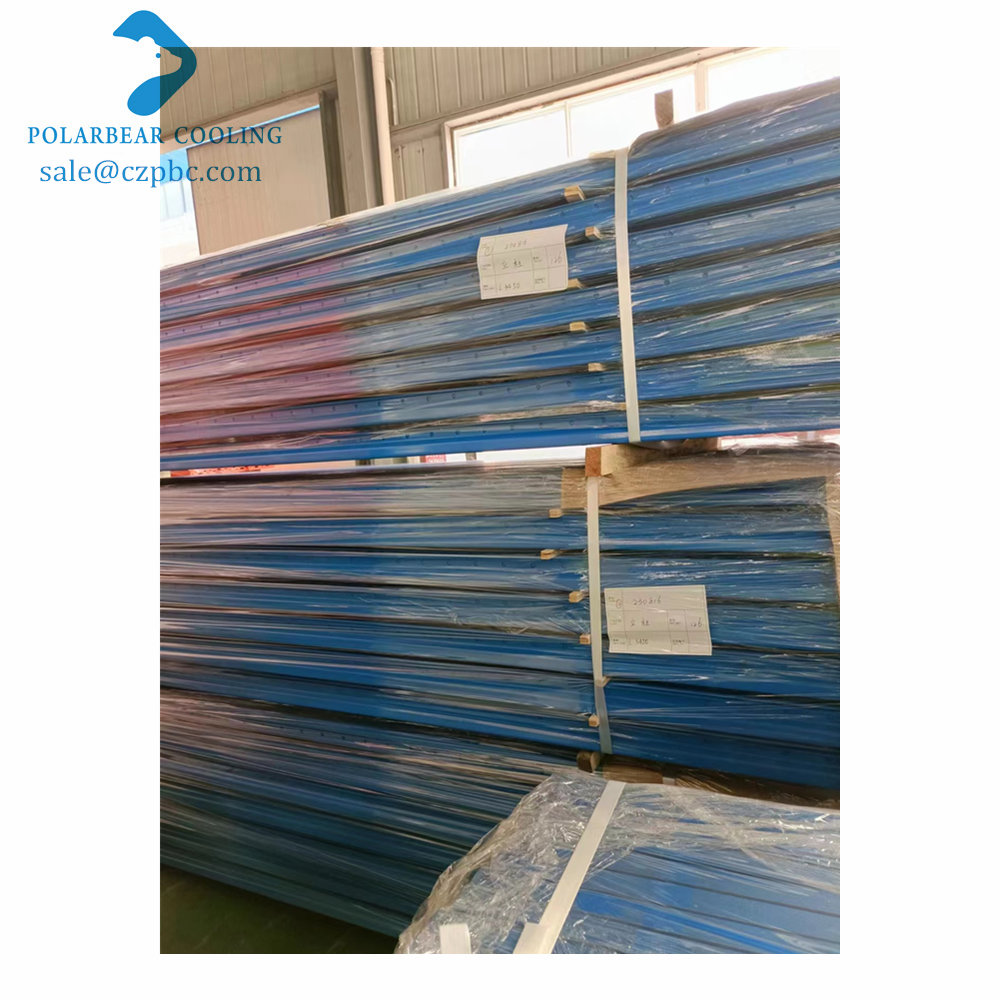
Standard exporting packing--wrapped with plastic thin film, wedge protect and good pallet or as customers' requirements.
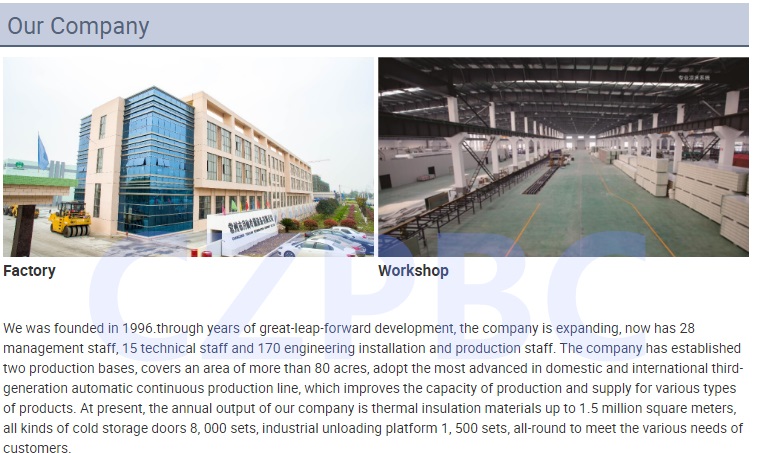
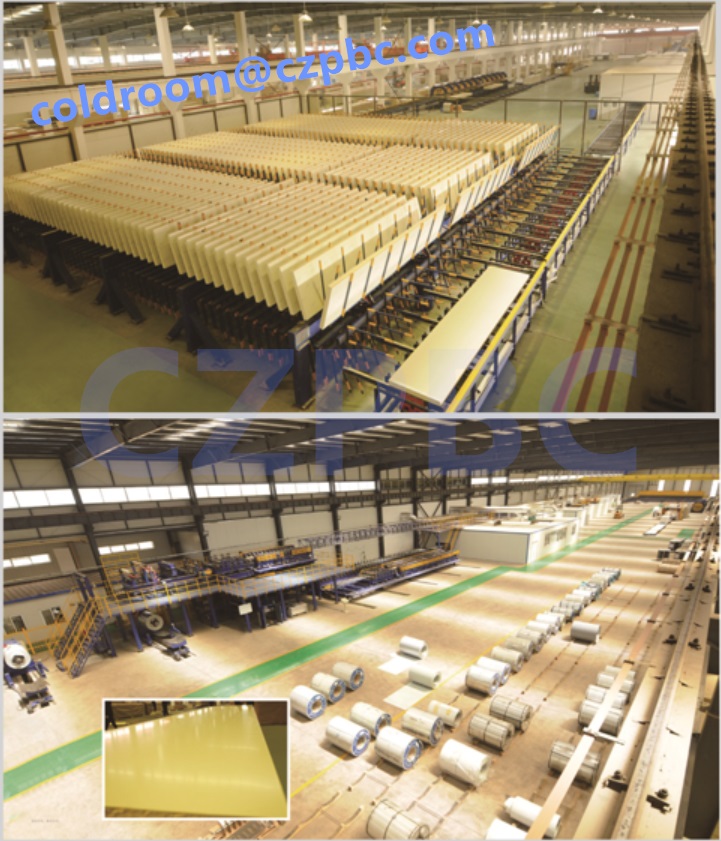
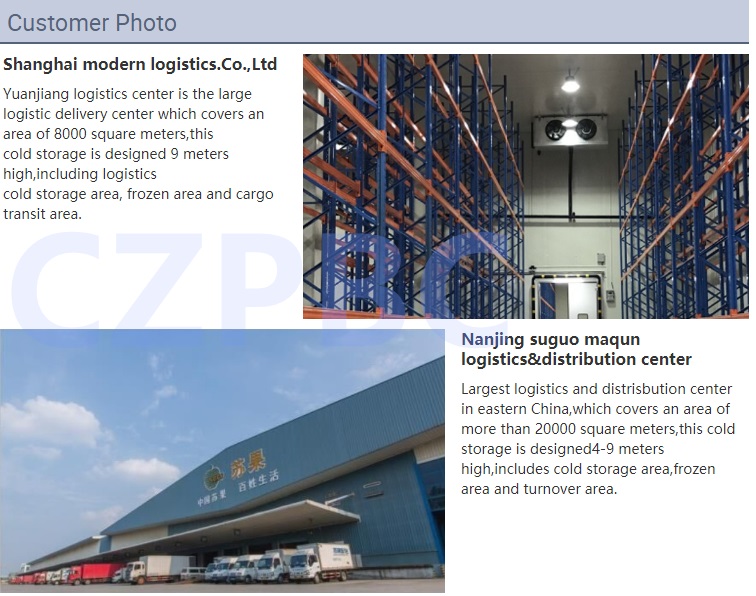
If you want to know more about our product, please contact us on alibaba.com or below, thank you~
Push back racking works on a First-In-Last-Out (FILO) cycle. Pallets sit on wheeled carts resting on sloped steel rails. When a pallet is loaded from the front, it pushes the preceding pallets back. When retrieving, gravity gently glides the rear pallets forward to the picking aisle.
Push back racks are typically configured for 2 to 4 pallet deep storage, with a maximum feasible depth of 5 pallets. This ensures reliable trolley sliding performance and cost-effective structural accuracy.
No, standard counterbalance or reach forklifts can easily operate this system because the truck only accesses the outer face of the rack and never enters the storage lane.
Standard configurations range from 500kg to 5000kg per layer, engineered to support specific pallet dimensions and product load specifications.
Yes, complete warehouse layout drawings and CAD designs are provided free of charge according to your warehouse floor plan and storage demands.
Items are packaged in knockdown units with air bubble protective foam, cartons, and secure palleting to ensure damage-free international transport.